
How to Find Vending Machine Locations (Step-by-Step Guide)
A location becomes valuable when people repeatedly need better access, the facility is ready for a real partnership, and the operator can responsibly support the experience over time.
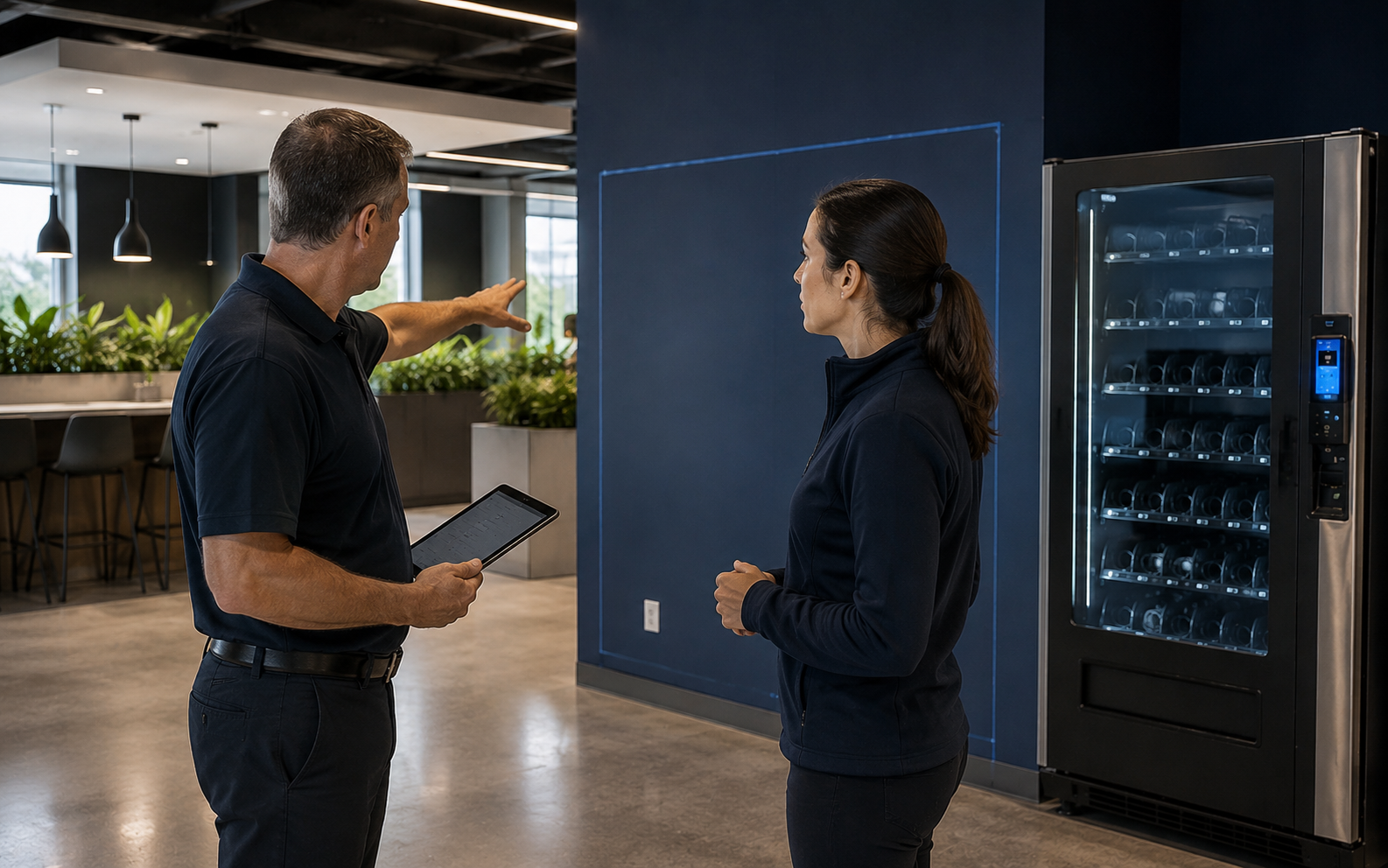
The phrase “find vending machine locations” often treats businesses and properties as spaces to be acquired.
That is the wrong starting point for Operation Vend Pro.
A workplace, apartment community, sports facility, warehouse, or hospitality venue is not valuable because someone agrees to put a machine there. It becomes a responsible opportunity when the people inside have a recurring need and the program can serve that need without becoming neglected equipment.
We are looking for environments where managed retail can make everyday life easier—and where the operator and facility are both willing to protect that experience.
Do not begin by asking who will say yes
Operator-focused advice often begins with prospect lists, cold calls, walk-ins, locator services, or purchased leads. Those methods may produce conversations, but none of them proves that the resulting location deserves equipment.
Operation Vend Pro begins somewhere else.
We look for evidence of unmet convenience: people staying for long periods, compressed breaks, multiple shifts, after-hours use, recurring family traffic, limited nearby retail, repeated complaints, or an existing program that no longer serves the environment.
The strongest opportunities reveal themselves through ordinary inconvenience
An employee cannot leave during a short break. A parent is at a tournament for hours. A resident arrives home after stores close. A night-shift worker has no practical food access. A hotel guest realizes they forgot a basic item.
Those moments are where location discovery begins.
The question is not, “Can a machine fit?” It is, “Does this problem happen often enough—and can we solve it well enough—to justify a permanent retail presence?”
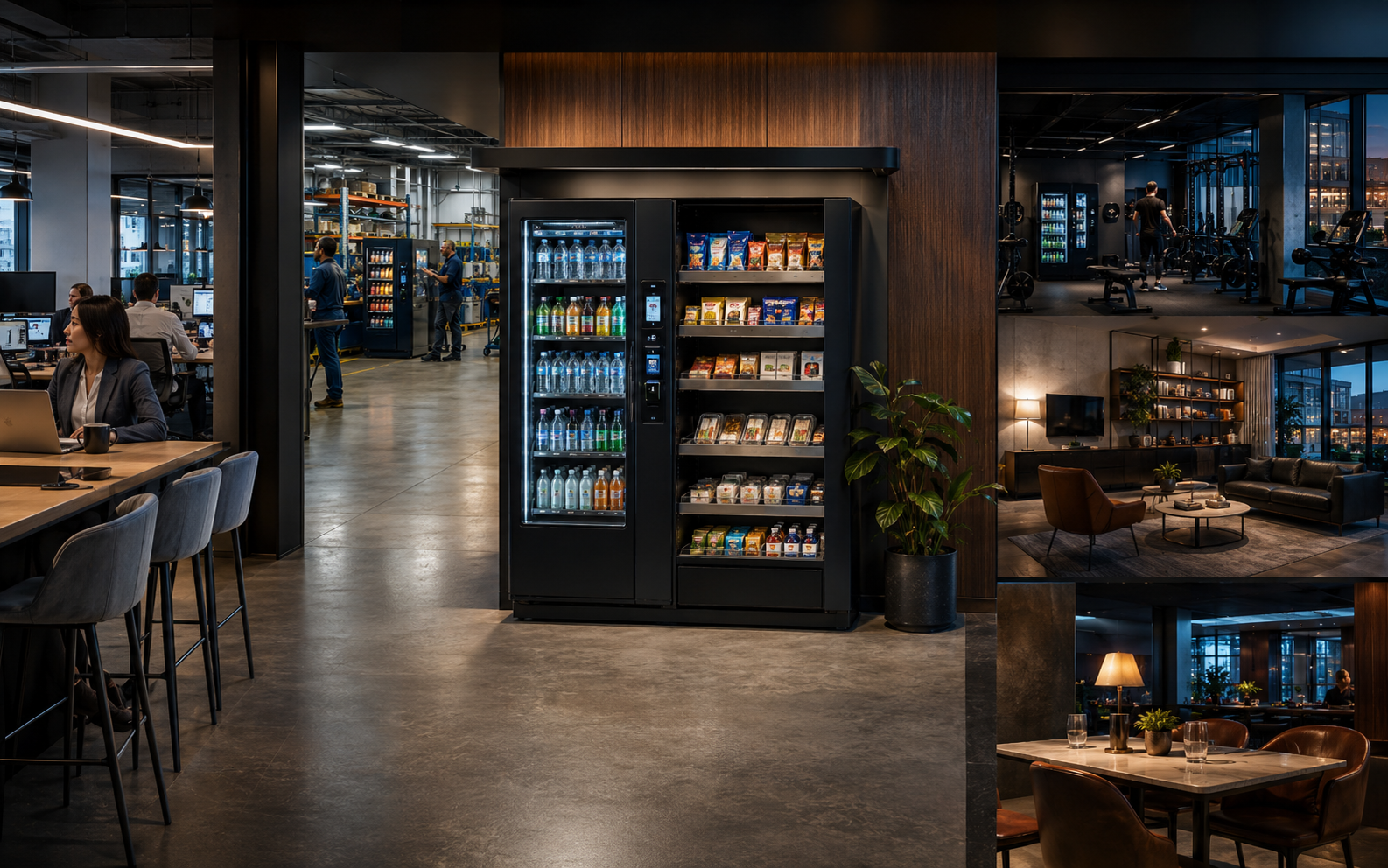
How we recognize a meaningful opportunity
Who is repeatedly present?
Employees, residents, athletes, parents, guests, students, visitors, or staff must be present often enough to form a real customer population.
What moment creates need?
Breaks, shifts, waiting, arrival, departure, fitness, events, late hours, or missed meals should create a natural purchasing moment.
What do people do today?
They may leave the property, go without, bring products from home, rely on delivery, complain about the current setup, or use an inadequate alternative.
What would genuinely help?
The answer may be drinks and snacks, meals, hydration, recovery products, household essentials, workplace items, or another narrow convenience need.
Can the site support the promise?
Placement, access, power, connectivity, security, service routes, refrigeration, cleaning, and management support must work together.
Can the program remain sustainable?
Likely sales must support equipment, products, payment costs, labor, route time, freshness, maintenance, and the required service standard.
Listen. Observe. Qualify. Commit.
The right locations are built through understanding rather than aggressive placement.
Listen
Hear what facility leaders, employees, residents, members, parents, and guests say is missing or failing.
Observe
Study how people move, wait, work, train, arrive, leave, and make decisions inside the environment.
Qualify
Test whether the need, customer moment, placement, operating conditions, and economics support a dependable program.
Commit
Install only when the operator is prepared to own stocking, cleanliness, payment, maintenance, communication, and improvement.
A location is someone else’s environment
When an operator enters a workplace, apartment community, sports facility, warehouse, or hospitality venue, the machine becomes part of that organization’s experience.
Employees may associate it with their employer. Residents may associate it with property management. Parents may associate it with the club. Guests may associate it with the venue.
That creates an obligation.
The operator is not merely occupying floor space. The operator is borrowing trust from the facility.
That trust must be repaid through relevance, cleanliness, reliability, fair presentation, communication, and the willingness to improve.
Permission is not qualification
A decision maker says yes
Approval creates access to the site. It does not prove customer demand, placement quality, or sustainable economics.
A machine is already available
Owned equipment can create pressure to force a placement. The location should not absorb the consequences of an operator’s prior purchasing decision.
The building has high traffic
People may pass quickly, bring what they need, receive free products, or have easier alternatives nearby.
There is no current vending
Absence may reflect an unmet need—or it may mean the location has never supported enough repeat demand.
The existing vendor is unpopular
Dissatisfaction creates an opportunity to investigate, not permission to promise that replacement alone will solve every issue.
The location wants commission
Host economics must follow sustainable demand and service costs. Commission expectations cannot manufacture customer use.
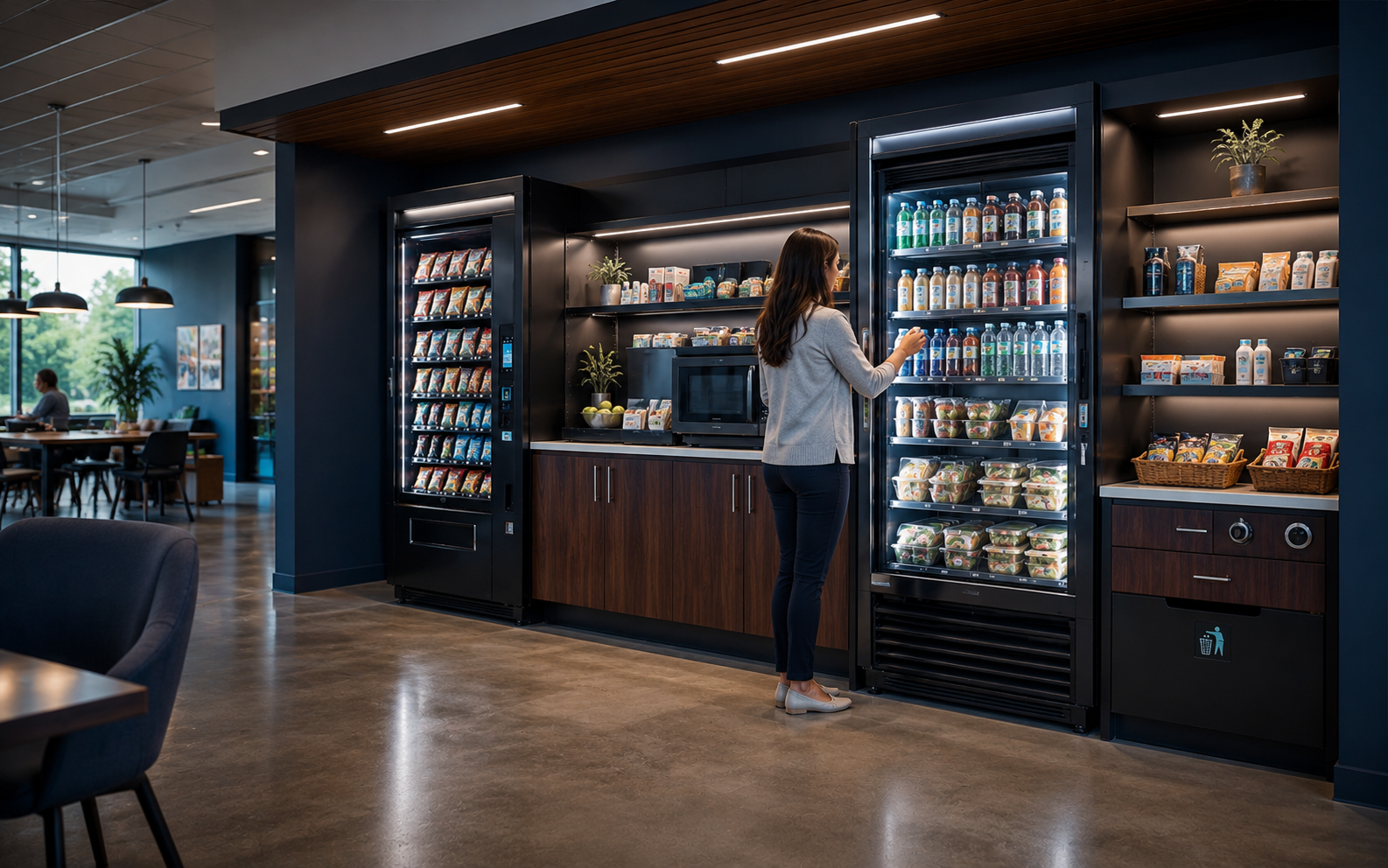
One strong partnership is worth more than several weak stops
Weak locations consume route time, equipment, inventory, maintenance attention, and management energy while producing inconsistent customer value.
Strong locations allow the operator to invest more deeply: better service, smarter product decisions, cleaner equipment, stronger communication, and thoughtful expansion.
The goal should not be the largest route. It should be a network of locations that make sense for the customer, the facility, and the operator at the same time.
Signs your location may deserve a closer look
Employees, residents, members, families, or guests have repeated exposure and natural opportunities to purchase.
Short breaks, night shifts, events, weather, security, distance, or after-hours needs make external options less practical.
People regularly ask for better drinks, food, hydration, meals, essentials, cashless payment, or more dependable service.
The site has visible, accessible, secure, serviceable space connected to real customer movement.
The facility is willing to share context, support communication, provide access, and review the program rather than treating installation as the final step.
The program would solve a recurring problem after the initial curiosity and launch attention disappear.
Finding the right opportunities in Bucks and Montgomery Counties
Operation Vend Pro is building relationships with qualified workplaces, warehouses, apartment communities, sports facilities, hospitality venues, and other shared environments throughout Bucks County and Montgomery County, Pennsylvania.
We are especially interested in locations where facility leaders can clearly describe the people they serve, the moments when convenience breaks down, the weaknesses of the current setup, and the experience they want to create.
We are not trying to place equipment everywhere. We are trying to become deeply useful in the right places.
Tell us where convenience is breaking down
Share who uses the facility, when they are present, how long they stay, what they currently do for food, beverages, or essentials, and what problems keep repeating.
Operation Vend Pro will evaluate whether cashless vending, a smart cooler, a micro market, a focused pilot, or no immediate installation is the responsible recommendation.
Common questions about finding vending locations
How do vending companies find locations?
Operators may use outreach, referrals, online research, existing relationships, inbound requests, or location services. Operation Vend Pro places greater emphasis on discovering environments with recurring customer need, appropriate facility conditions, management support, and sustainable operating potential.
What makes a location attractive to a vending company?
A strong opportunity has a reachable population, repeated purchasing moments, limited or inconvenient alternatives, appropriate placement, service access, useful product demand, management support, and enough economic potential to sustain dependable operation.
Does a business need a certain number of employees?
There is no universal minimum. Total headcount matters less than consistent on-site presence, shift patterns, dwell time, nearby alternatives, likely purchasing behavior, and the service standard the location requires.
Can a facility request vending service directly?
Yes. Facility leaders can submit information about their population, schedule, current amenities, placement options, recurring requests, and service problems for evaluation.
Will Operation Vend Pro accept every location?
No. A responsible recommendation may be a smaller pilot, a different format, a delayed installation, or no immediate program when demand or operating conditions do not support dependable service.
How does Operation Vend Pro approach location growth?
Operation Vend Pro follows four steps: listen, observe, qualify, and commit. The goal is to build durable partnerships and useful retail programs rather than maximize machine placements.
The right location is not the first business that agrees to take a machine.
It is the place where human need, facility readiness, and operator responsibility finally meet.
Earn the invitation.
Honor the trust.
