
How Operation Vend Pro is Redefining Modern Vending Machines
A practical guide for facility leaders evaluating cashless vending, smart coolers, micro markets, curated products, and professionally managed unattended retail.
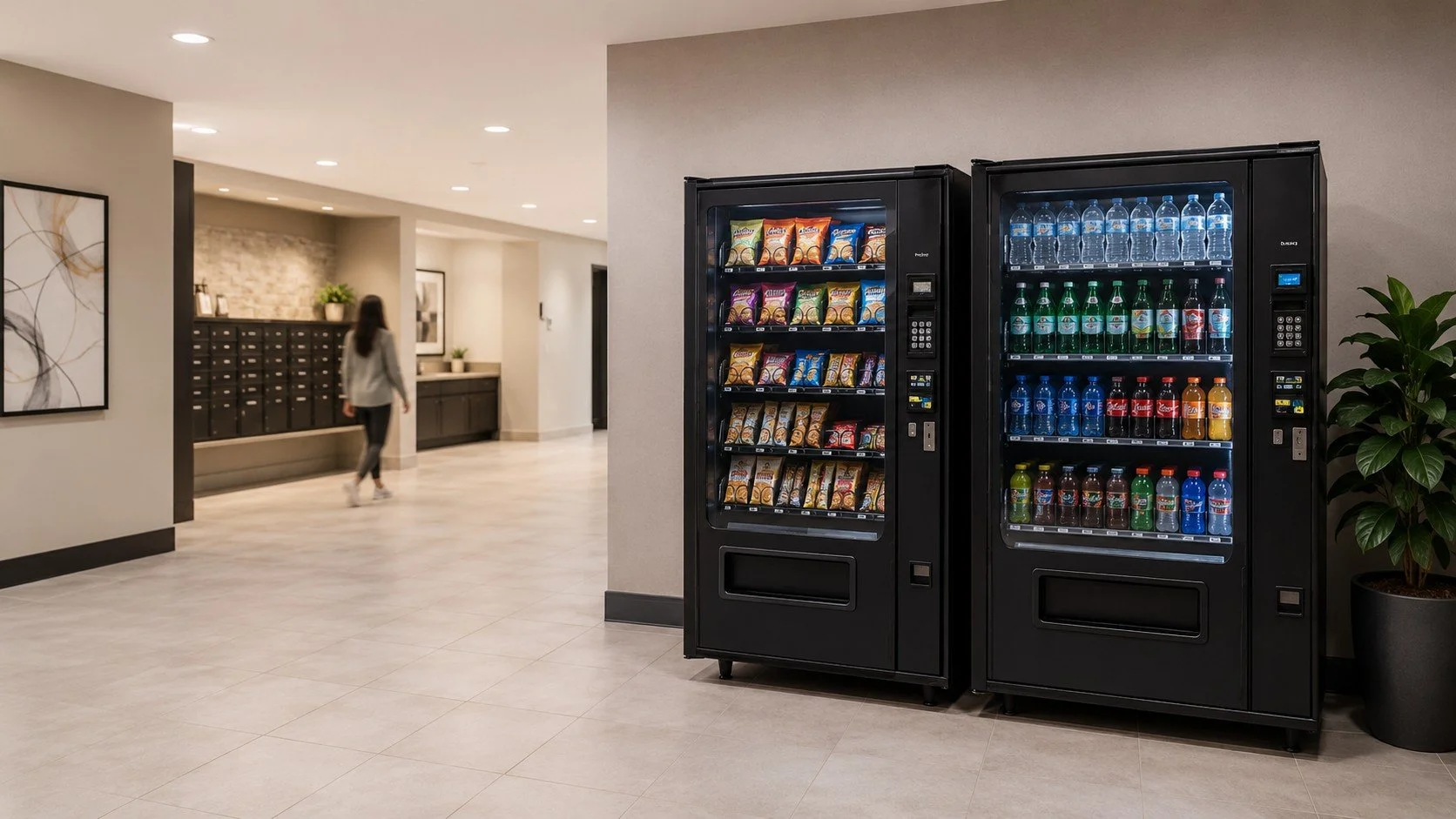
The machine matters. But so do the products, payment experience, placement, stocking, service standards, and the way the program changes over time.
For decades, vending was often treated as background equipment. A machine was placed in a breakroom, lobby, hallway, clubhouse, or waiting area and then serviced as part of a route.
That model can still exist. But it should not define what a facility leader expects today.
The right program should make food, beverages, and useful products easier to access while reducing complaints and management burden.
Modern vending is a managed retail service
A strong program is not defined by one feature. A card reader does not make poor vending modern. A bright screen does not correct weak product selection. Remote monitoring does not replace reliable physical service.
Modern vending brings the entire operating model together.
Cashless access
Customers should be able to pay through the methods they already use, including cards and supported mobile wallets.
Curated products
The assortment should reflect the people, schedule, environment, and purchasing behavior of the location.
Professional service
Restocking, cleaning, maintenance, issue response, and communication should follow defined standards.
Operational visibility
Sales and inventory information should help the operator plan service and evaluate product performance.
Right fit equipment
The location may need vending machines, smart coolers, a micro market, or a combined program.
Ongoing refinement
Products and service should improve based on actual use rather than remain static indefinitely.
Every product should earn its space
Every shelf, column, cooler row, and market position represents limited retail space.
Products should not remain simply because they are easy to source or traditionally associated with vending. They should remain because customers purchase them, request them, or rely on them.
The goal is not to make the assortment unusual. The goal is to make it useful.
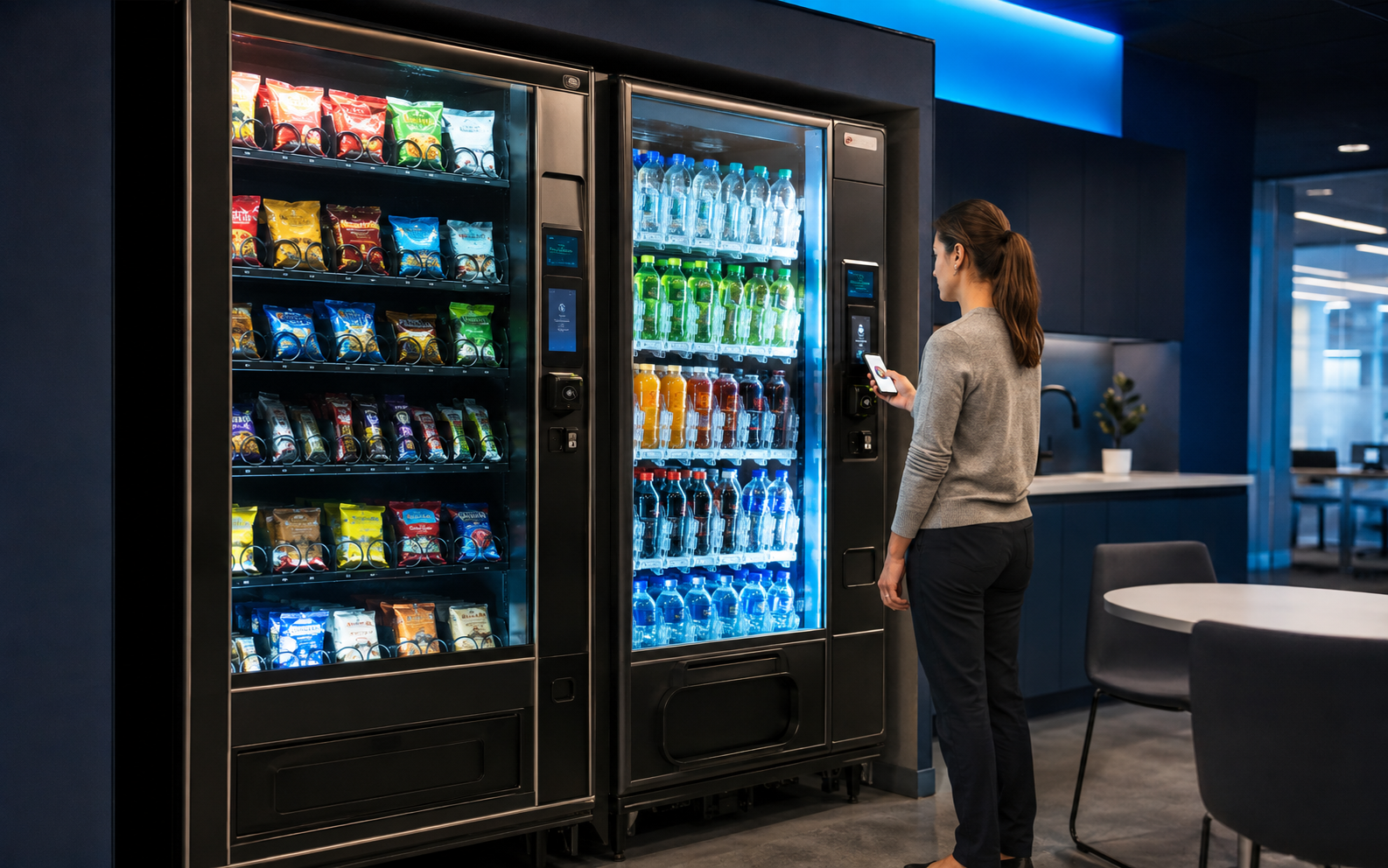
The same product mix should not go everywhere
A professional office, warehouse, apartment community, sports facility, and hospitality venue serve different customers in different moments.
Breakfast, coffee, beverages, lunches, familiar snacks, and better for you choices may matter most.
Hydration, substantial snacks, meal options, energy products, and availability across shifts may carry more weight.
After hours drinks, snacks, quick meals, personal essentials, and practical convenience items may add value.
Water, electrolytes, recovery products, family friendly snacks, and selected forgotten essentials can reflect real demand.
Food and beverage may be only part of the opportunity. Useful convenience items can work where recurring customer needs support them.
Modern technology should support the operation
Technology matters when it reduces friction and helps the program perform more reliably.
Cashless payment
Cards and supported mobile wallets make access easier for customers who rarely carry cash.
Inventory visibility
Sales and stock information can help the operator anticipate needs and reduce unnecessary service trips.
Remote alerts
Connectivity can help identify payment, refrigeration, or equipment issues before they become prolonged failures.
Performance review
Transaction information can support product changes and better allocation of limited retail space.
Modern vending is not always a vending machine
The right format depends on population, hours, space, security, connectivity, purchasing demand, and how the facility is used.
Cashless vending
A controlled footprint with familiar access and broad placement flexibility.
Smart coolers
Refrigerated access for meals, drinks, larger packages, and flexible grab and go products.
Micro markets
A broader open retail experience where traffic, trust, space, and economics support it.
Hybrid programs
Different formats in different areas when one solution cannot responsibly serve the entire facility.
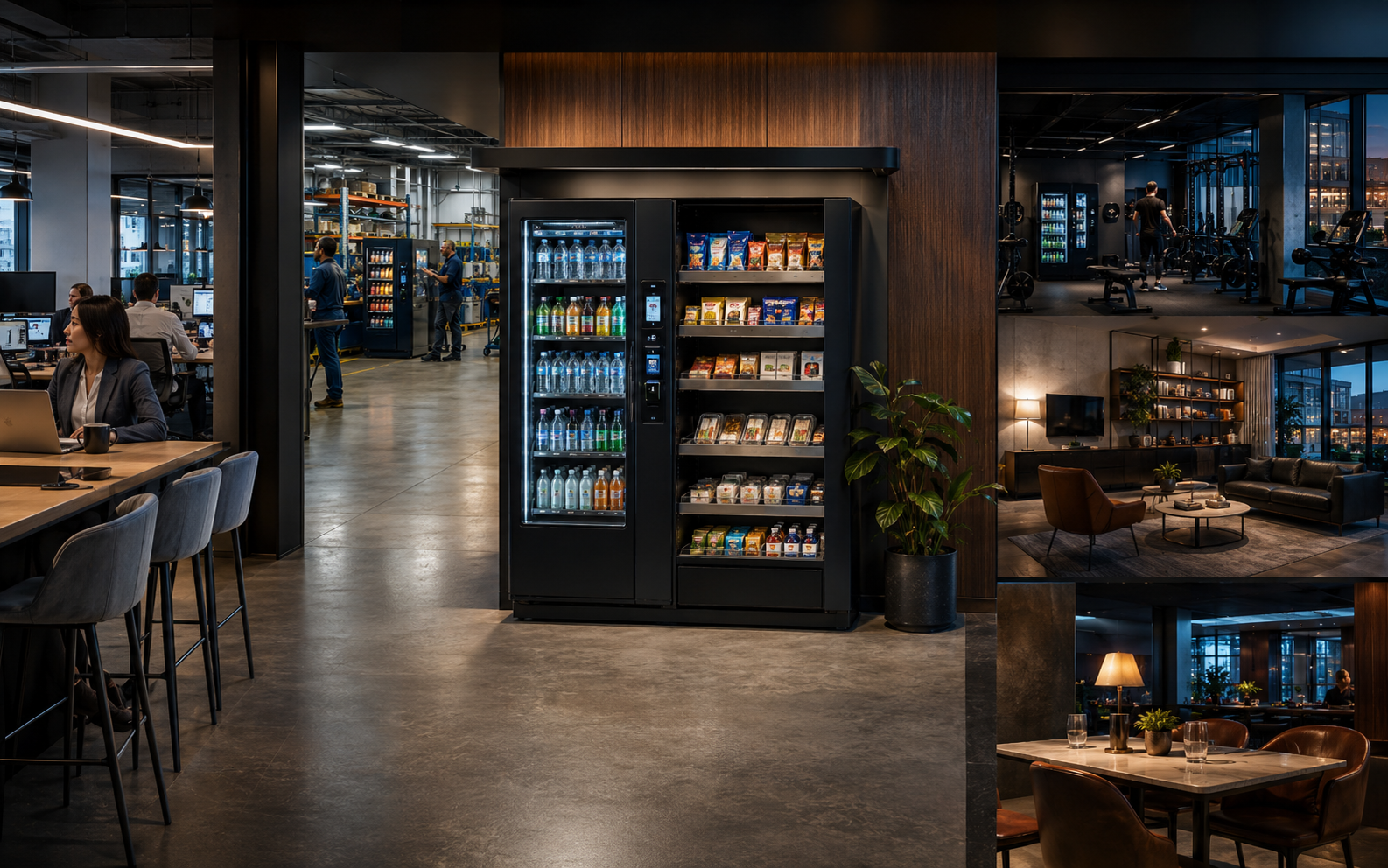
Useful products can extend beyond snacks and drinks
Some locations may support fresh food, protein and recovery products, personal care essentials, workplace supplies, household convenience items, sports equipment, or hospitality related necessities.
But creativity must remain commercially disciplined.
Products should be introduced because they solve a recurring need and have a reasonable chance of repeat sales, not because they make the machine look interesting.
Modern unattended retail in Bucks and Montgomery Counties
Operation Vend Pro evaluates facilities throughout Bucks County and Montgomery County, Pennsylvania. The right recommendation depends on the actual site rather than a generic countywide package.
Population, shifts, nearby food access, customer behavior, placement, power, connectivity, security, service access, and existing agreements all influence the responsible solution.
What facility leaders should expect from an operator
A real site assessment
The operator should understand the population, traffic, space, access, power, connectivity, schedule, and goals before recommending equipment.
A reasoned product strategy
The product mix should have a clear relationship to the people using the facility and should be reviewed after launch.
Clear service ownership
The facility should know how stocking, cleaning, maintenance, refunds, and issue communication are handled.
Honest fit decisions
A responsible operator should be willing to say when a location does not support a micro market, more equipment, or a particular product category.
Start with the facility, not the machine
Tell us about the people using your space, the current setup, the problems you are trying to solve, and what you want the future program to accomplish.
Operation Vend Pro will evaluate whether cashless vending, a smart cooler, a curated micro market, a hybrid program, or another retail solution is the responsible fit.
Common questions about modern vending
What makes a vending machine modern?
Modern vending combines reliable cashless payment, appropriate equipment, useful product selection, inventory visibility, professional servicing, and ongoing review. A new screen or card reader alone does not make the full program modern.
Is a micro market always better than vending machines?
No. Micro markets offer broader selection, but they require suitable traffic, space, security, trust, connectivity, and economics. A well operated vending program may be the stronger solution for many facilities.
What is a smart cooler?
A smart cooler provides secure cashless access to refrigerated products such as drinks, meals, snacks, and larger grab and go items. It can serve as a middle ground between traditional vending and a full micro market.
Can vending include products other than food and drinks?
Yes, when the location has a repeated need and the products fit the equipment, service model, security requirements, and economics. Examples may include personal essentials, workplace items, sports products, or hospitality convenience goods.
How should products be selected?
Product selection should begin with the audience, schedule, environment, and known needs of the location. The assortment should then be refined based on sales, feedback, freshness, availability, and repeat demand.
Does Operation Vend Pro serve Bucks and Montgomery Counties?
Operation Vend Pro prioritizes qualified vending, smart cooler, micro market, and unattended retail opportunities throughout Bucks County and Montgomery County, Pennsylvania.
Modern vending is not defined by the age of the machine.
It is defined by whether the program fits the facility, serves the customer, operates reliably, and improves over time.
A modern retail service.
