
How Often Should Vending Machines Be Restocked and Maintained?
How often should vending machines be restocked and maintained?
There is no responsible one-size-fits-all schedule. Service frequency should follow demand, product velocity, operating hours, equipment condition, and the expectations of the people using the facility.
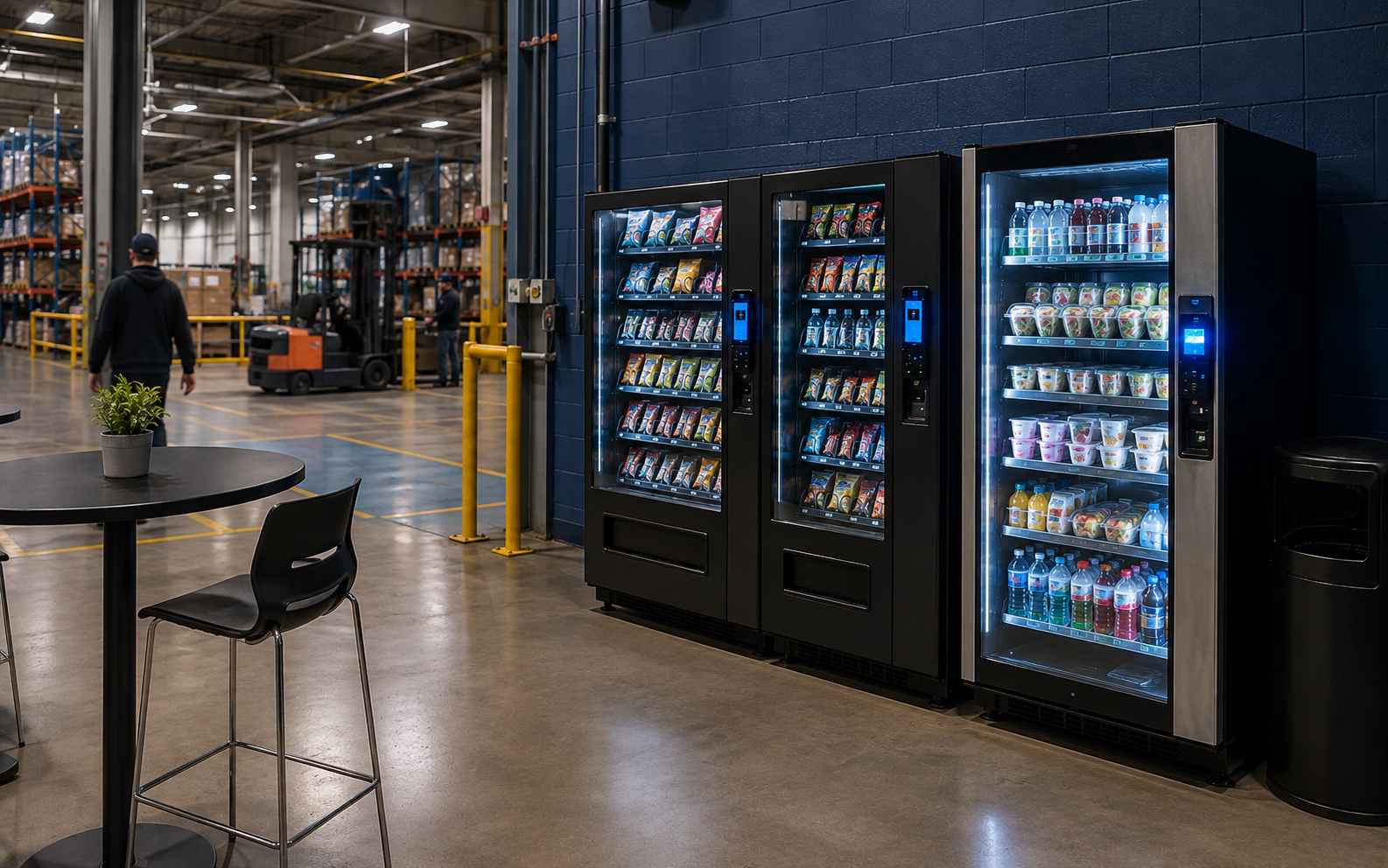
The correct restocking schedule is not a calendar promise. It is an operating decision.
A machine in a busy warehouse may need attention several times each week. A smaller office may need less frequent visits but still require consistent monitoring. A sports facility may experience sharp demand around leagues, camps, tournaments, and weekend events. An apartment community may have steady evening and weekend purchasing patterns.
The question is not simply how often a driver arrives. The better question is whether the program stays available, clean, reliable, relevant, and commercially healthy between visits.
Once popular products are repeatedly unavailable or payment problems remain unresolved, customers begin to treat the machine as unreliable. Restoring that habit can take longer than preventing the failure in the first place.
Restocking frequency should follow the location
Traffic matters, but raw headcount does not tell the whole story. A professional operator should understand who is buying, when they buy, what they buy, and how quickly the most important products move.
Daily population
More people generally create more demand, but actual participation and purchase frequency still need to be observed.
Operating schedule
Multiple shifts, overnight activity, long resident access, and weekend events can change the service model.
Product velocity
Fast-moving drinks, meals, and snacks may require more attention than slower specialty items.
Product shelf life
Fresh food, refrigerated meals, dairy, and other dated products require tighter inventory discipline.
Storage capacity
A small machine at a strong location may require more visits than larger equipment serving similar demand.
Seasonality and events
Camps, tournaments, summer traffic, busy production periods, and property events can create temporary demand spikes.
Empty selections cost more than one missed sale
When customers repeatedly find empty rows, missing favorites, or unavailable drinks, they adjust their behavior. They bring products from home, leave the facility during breaks, or stop checking the machine altogether.
That is why a responsible service plan should pay special attention to high-velocity products rather than treating every slot equally.
The goal is not to keep every possible item permanently full. It is to protect the products and categories that matter most to the location while avoiding waste and overstock.
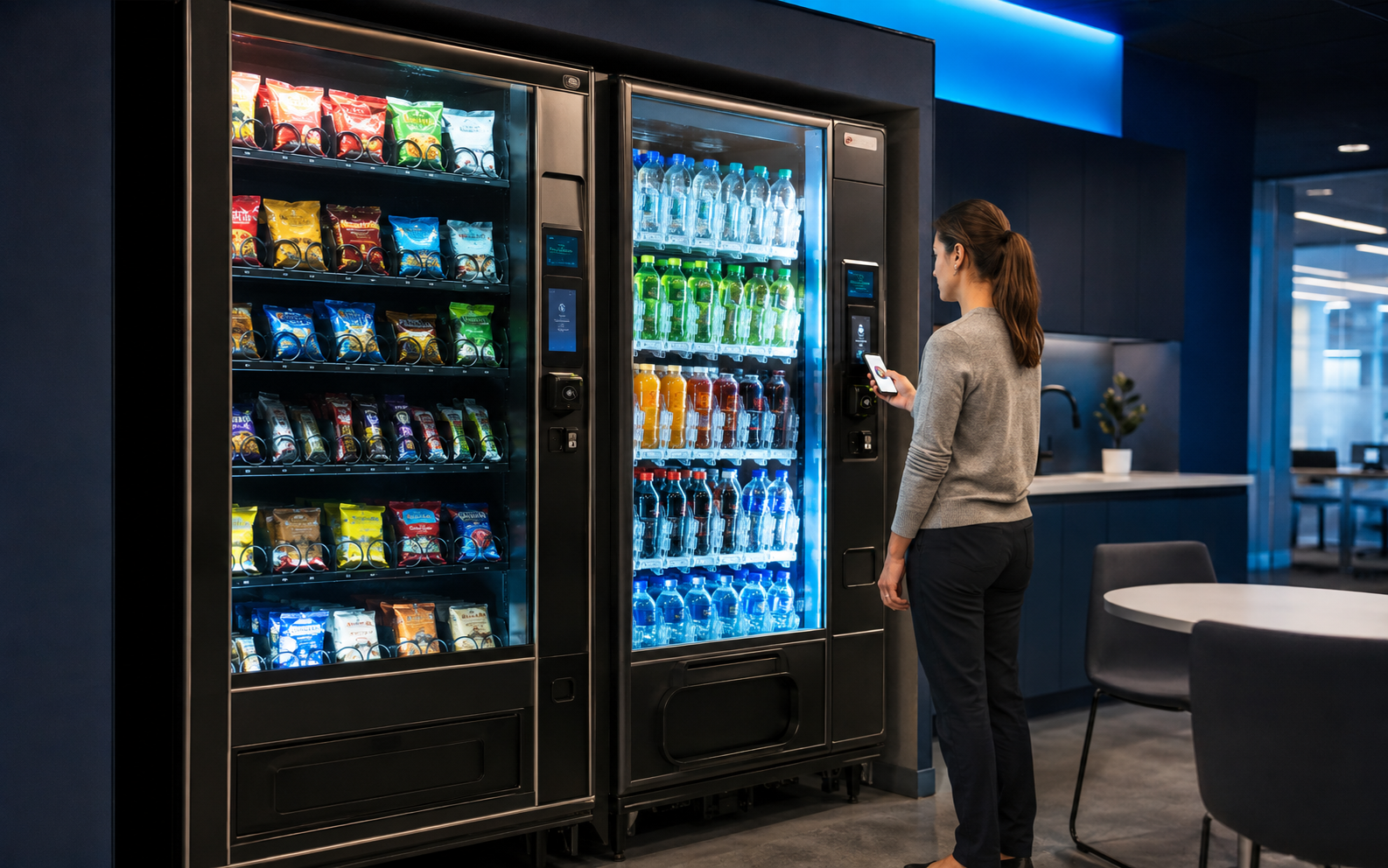
Maintenance is much more than refilling products
A full-service program should include routine operational checks, not just product delivery.
Card readers, mobile wallet access, bill validators, and coin mechanisms should be checked before payment friction becomes a recurring complaint.
Operators should rotate products, review freshness, and remove items that no longer meet quality standards.
Glass, touch points, payment areas, product trays, and the surrounding footprint affect how users judge the entire program.
Coils, motors, doors, sensors, refrigeration, and product placement should be checked for preventable failures.
A clear communication path matters when a customer is charged incorrectly or a product does not dispense.
Slow sellers should not occupy valuable retail space indefinitely. Every product should earn its position through relevance and actual demand.
Remote monitoring improves service, but it does not replace professional operation
Modern systems can provide visibility into inventory, transactions, payment status, machine alerts, and product movement. That information can help an operator prepare more accurately and respond before a visible failure occurs.
Inventory visibility
Remote data can help identify low inventory and high-velocity products before the next visit.
Payment status
Connected systems may reveal reader or communication issues that require attention.
Product performance
Sales information helps determine which products should stay, expand, shrink, or be removed.
Route preparation
Better information allows the operator to arrive with the products the location is most likely to need.
Freshness management
Technology can support planning, but physical rotation and inspection remain essential.
Human observation
Cleanliness, placement, user feedback, facility changes, and presentation still require judgment.
Service expectations change with the retail format
Traditional vending, smart coolers, and micro markets all require active management, but they do not create the same operational demands.
| Format | Primary service concerns | What the facility should expect |
|---|---|---|
| Vending machines | Stock levels, dispensing reliability, payment systems, cleanliness, refrigeration, and product rotation. | A predictable service cadence supported by sales and inventory review. |
| Smart coolers | Secure access, refrigeration, fresh product dates, connectivity, inventory accuracy, and door performance. | Tighter attention to refrigerated assortment and shelf life. |
| Micro markets | Open-shelf presentation, kiosk operation, fresh food management, shrink controls, cleanliness, and broader inventory. | A retail-style operating standard rather than simple machine refilling. |
| Hybrid programs | Coordination across formats, product overlap, traffic patterns, and multiple service zones. | One operating plan designed around the full facility. |
The right service schedule is the one that keeps the program dependable without creating unnecessary visits, excess inventory, or avoidable waste.
What facility leaders should ask about restocking and maintenance
A professional operator should be able to explain how the service plan will be established and how it can change over time.
How will service frequency be determined?
Look for an answer tied to population, operating schedule, sales, product velocity, equipment capacity, and facility needs.
Can the equipment be monitored remotely?
Ask what inventory, payment, and equipment information is available and how it influences service.
How are stockouts handled?
Understand how high-demand products are identified and how service changes when availability declines.
What is included during a service visit?
Restocking, rotation, cleaning, payment checks, equipment review, and issue resolution should all be discussed.
How are slow products replaced?
Products should be reviewed against actual sales and facility feedback rather than remaining indefinitely.
Who handles problems between visits?
The facility should know whom to contact, what information to provide, and what response process to expect.
Evaluate the service model before accepting a generic schedule
Operation Vend Pro evaluates the facility, audience, traffic, operating hours, product needs, equipment format, and service access before recommending a restocking and maintenance approach.
The result may be traditional vending, a smart cooler, a curated micro market, or a combined program. What matters is that the operating plan fits the location and improves as real usage becomes visible.
Common questions about vending restocking and maintenance
How often should a vending machine be restocked?
There is no universal schedule. Frequency should reflect traffic, operating hours, product velocity, machine capacity, shelf life, seasonality, and actual sales. Busy locations may require several visits each week, while smaller locations may need less frequent but still consistent service.
How can a provider know when products are running low?
Modern vending systems may provide remote inventory and transaction information. This can help an operator identify low stock and prepare for service, but physical inspection and professional judgment remain important.
What should happen during a vending service visit?
A thorough visit may include restocking, product rotation, freshness checks, cleaning, payment-system review, dispensing checks, refrigeration review, issue resolution, and product-performance observation.
Why do stockouts reduce future usage?
When people repeatedly find popular products unavailable, they stop relying on the machine. Even after stocking improves, it may take time to rebuild the habit of checking and purchasing.
Do smart coolers and micro markets require more maintenance?
They often require different operating disciplines. Smart coolers may need tighter refrigerated inventory and connectivity oversight. Micro markets involve broader inventory, fresh food, open-shelf presentation, kiosk performance, cleanliness, and shrink management.
Should every product be restocked at the same rate?
No. High-velocity products may need more capacity or more frequent replenishment, while slow products should be reviewed. Limited retail space should be allocated according to demand, facility needs, and commercial performance.
People may not notice every successful service visit. They notice the outcome.
The product they want is available. Payment works. The equipment is clean. Problems are handled. The program feels dependable.
It is the customer experience.
