Do You Have Outdated Vending Machines?
A practical review guide for facility leaders evaluating whether an existing vending program still serves the people, schedule, and expectations of the location.
Operation Vend Pro Learning Center · Reviewed August 2026
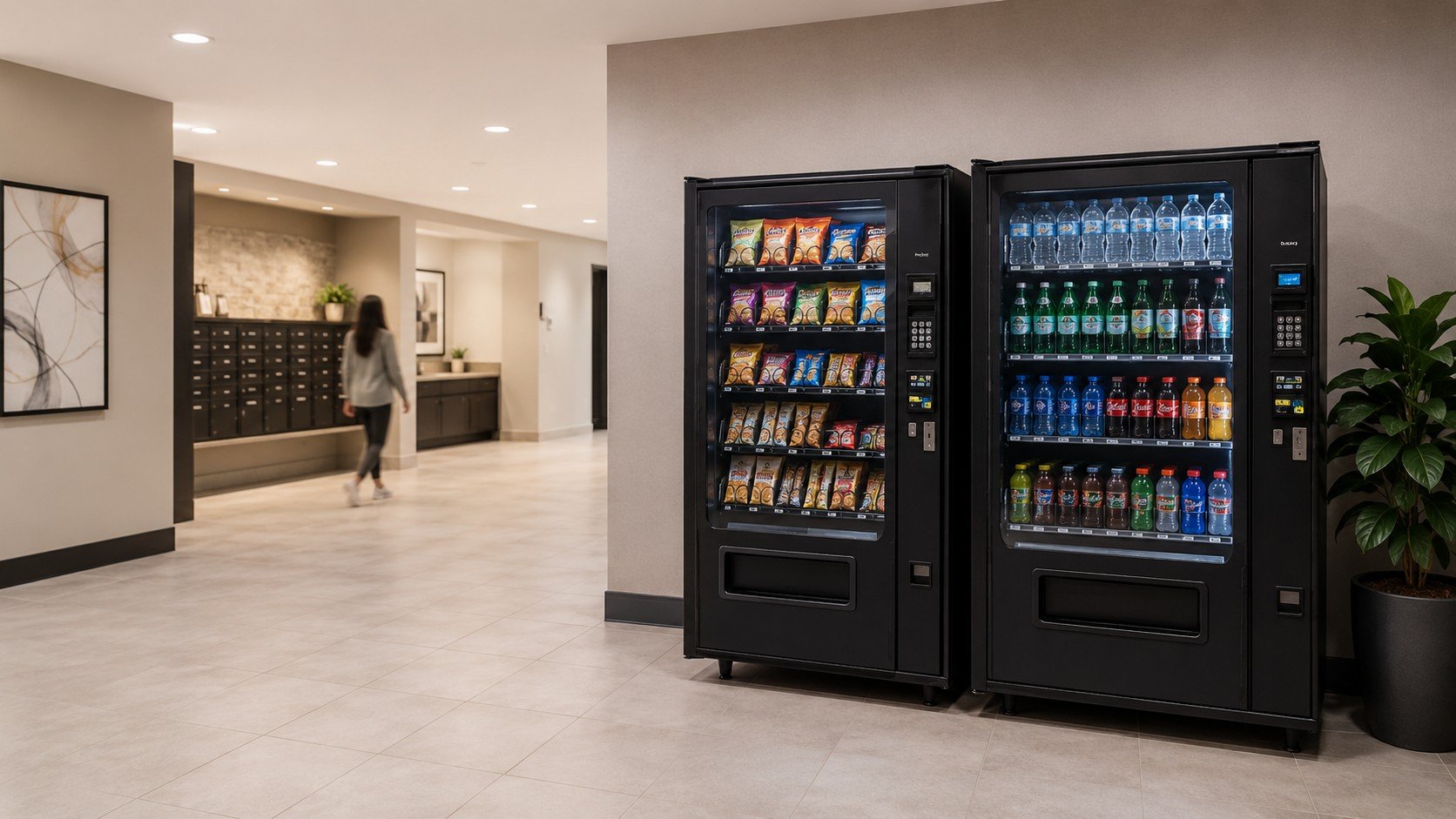
That is how a vending program becomes invisible.
It may still be plugged in. It may still hold snacks and drinks. It may still get restocked from time to time. But that does not mean it is working as a real amenity for the building.
For many businesses, apartment communities, offices, gyms, schools, warehouses, and facilities, vending was installed years ago and then left mostly unreviewed. A vendor relationship was created. A machine was placed. People moved on.
Then the building changed.
The people using the space changed. Payment expectations changed. Product preferences changed. Work schedules changed. Resident expectations changed. But the vending setup stayed almost exactly the same.
If nobody has reviewed the setup in years, the first question is not automatically whether to replace the machine. The first question is whether the retail program still serves the facility.
The machine may be there, but that does not mean the program is working
A vending machine is easy to ignore once it becomes part of the background.
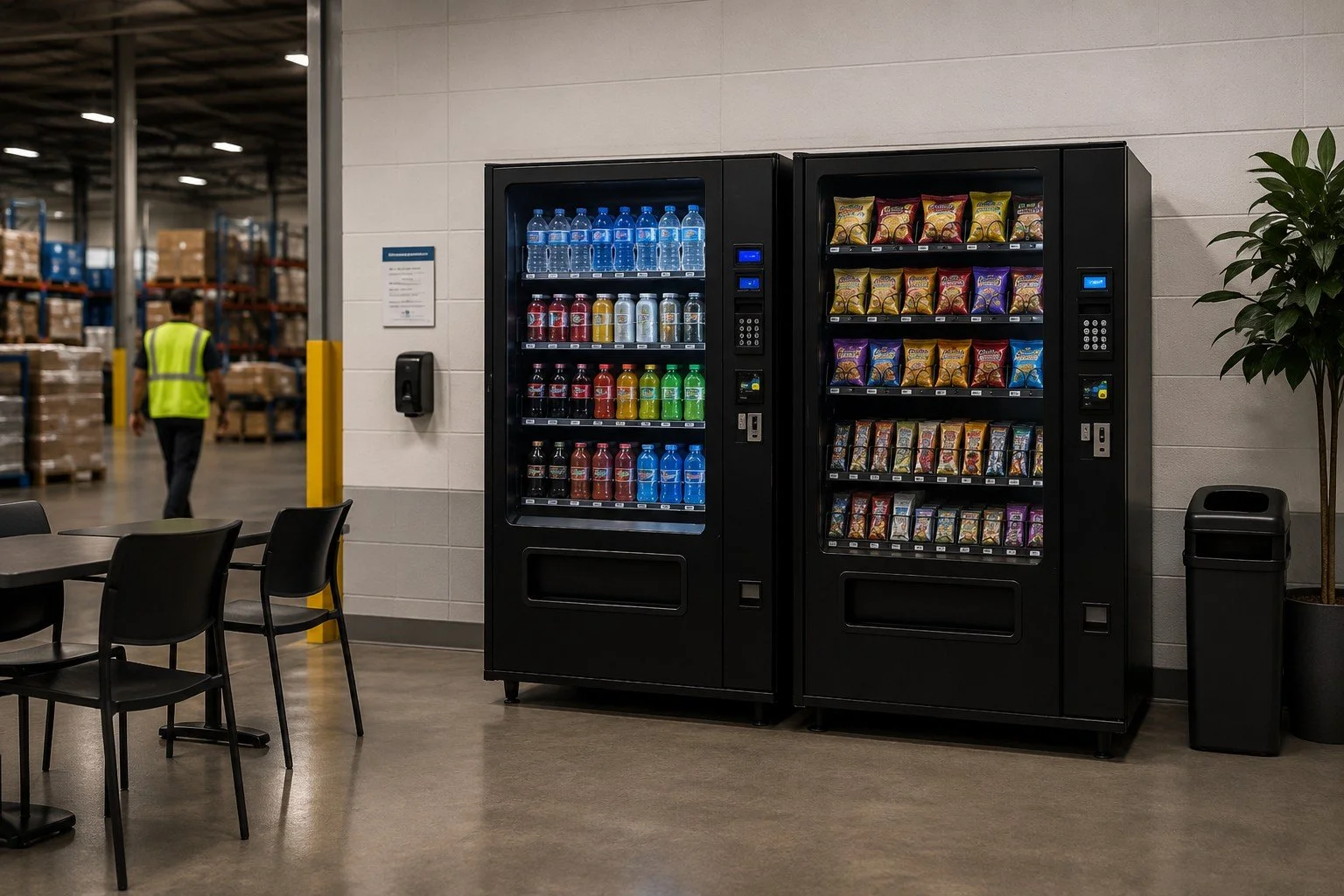
In an apartment building, it may sit near a clubhouse, lobby, mailroom, laundry area, or fitness room. In an office, it may sit in the breakroom. In a gym or sports facility, it may be near the entrance, training space, or parent waiting area. In a warehouse or facility, it may sit near the employee entrance or shift break area.
At first, the machine may have felt useful. Over time, the questions often stop being asked.
Is it being used?
Usage matters more than the machine simply existing in the space.
Does the product mix fit?
The right selection should reflect the actual people using the location.
Is the vendor accountable?
Restocking, response time, cleanliness, and communication all matter.
Does it accept modern payments?
Cashless access is often part of whether people use the machine at all.
Is commission clear?
The location should understand whether commission applies and how terms work.
Does it match the property standard?
A machine is hardware. A retail amenity is something people use, trust, and appreciate.
Existing vending programs become invisible slowly
Most forgotten vending setups do not become outdated overnight. They drift there.
A property manager inherits a machine from a prior management company. A facility manager takes over a building where the vendor relationship already exists. A business owner agreed to vending years ago and never revisited the details. A gym owner has a machine that technically works, but the product mix does not fit members anymore.
The setup remains because it is easier to leave it alone than to review it.
That is common. But common does not mean effective.
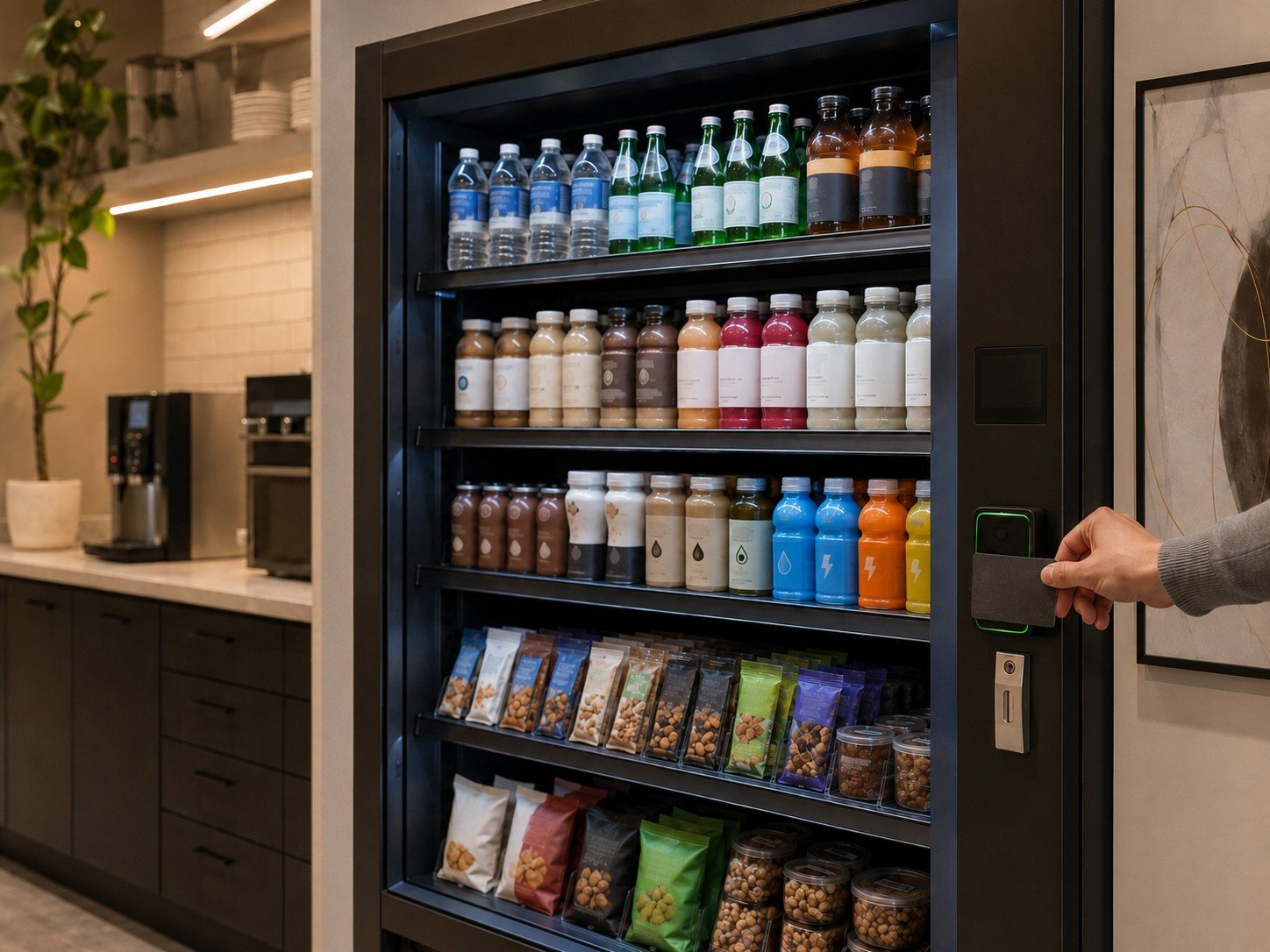
Nobody owns the relationship internally
If no one knows who manages the vending relationship, small issues pile up. Empty rows, payment problems, stale products, and unanswered complaints become normal instead of being reviewed.
The original agreement is unclear
Many businesses and properties do not know what was agreed to when the machine was placed, including commission, service expectations, or how to request changes.
The building changed, but vending did not
The employee count, resident profile, gym schedule, school traffic, or facility usage may have changed while the machine stayed the same.
The vendor relationship became passive
If the vendor treats the account like a route stop instead of a location with real users, performance usually declines over time.
Signs your vending machine may be underperforming
An underperforming vending setup is not always obvious from one quick look. The machine may still operate. It may still generate some sales. It may still be restocked occasionally. But there are warning signs.
Because vending is retail, every product position, service visit, and equipment choice should support real customer use. Products should earn their space through demand rather than remain simply because they are traditional vending items.
Empty rows teach users not to rely on the machine. Once people stop checking, usage can remain low even after restocking improves.
An office, warehouse, apartment building, gym, school, and sports facility may all need different product logic.
If a machine only accepts cash, or if the card reader is unreliable, people may skip it even when they want something.
Repeated complaints should lead to review, not just apology.
In a clean office, apartment community, gym, school, or facility, the machine is part of the physical environment.
If nobody knows whether the location receives commission, whether it should, or how it would be calculated, the relationship needs review.
A professional operator should be able to discuss what is selling, what is not selling, and what needs to change.
Commission should be part of a professional vending conversation when the account economics support it. But commission is not the only measure of whether vending is working.
Commission matters, but it is not the whole review
For qualified accounts with enough usage and the right economics, commission should be treated as an industry standard conversation, not an afterthought or a mystery.
But a vending setup can technically pay commission and still be a poor amenity. If the machine is empty, outdated, dirty, poorly placed, or stocked with products nobody wants, the building may still be losing value through complaints, low adoption, and a weak user experience.
The better question is not only whether the location is getting commission. The better question is whether the vending setup is performing as a useful amenity for the people in the space, and whether the financial terms are clear for the location.
Commission should be reviewed. It should be explained. It should be part of a transparent operator relationship. But it should not distract from the larger issue of total amenity performance.
What a professional vending operator should evaluate first
A serious vending review should start with the environment, not the equipment.
Before recommending a new machine, a vendor change, a refresh, a smart cooler, or a micro market, a professional operator should understand how the space actually works.
Traffic
How many people are on site, when they are there, and whether usage is steady or concentrated around shifts, events, classes, or resident activity.
Audience
Employees, residents, students, parents, athletes, tenants, visitors, and staff do not all buy the same things.
Access
Building hours, security, loading restrictions, parking, elevator access, and after hours entry can all affect service.
Placement
A machine tucked away in a low visibility corner may underperform even in a strong building.
Product mix
Products should reflect the actual users of the space, when they buy, and what sells over time.
Payment options
Cashless payment is important, but a card reader on a poorly stocked machine does not create a strong amenity by itself.
Restocking cadence
Some locations need more frequent service because of traffic, peak periods, or product velocity. Others need less frequency but still need consistency.
Vendor relationship
Sometimes the machine is not the real issue. The issue may be communication, service model, or lack of accountability.
When the answer is not automatically a new machine
An old or underperforming vending setup does not always require full replacement. Sometimes the better first move is a refresh. In other cases, vendor replacement may be appropriate. Some facilities may benefit from a smart cooler, a curated micro market, or a combined format. There are also cases where the responsible answer is a smaller upgrade or no immediate change.
Refresh
Update product mix, improve restocking cadence, add or repair cashless payment, clean up the machine area, or adjust placement.
Replace
Consider vendor replacement if the current company is unresponsive, inconsistent, unclear, or unable to support the location properly.
Evaluate a smart cooler or micro market
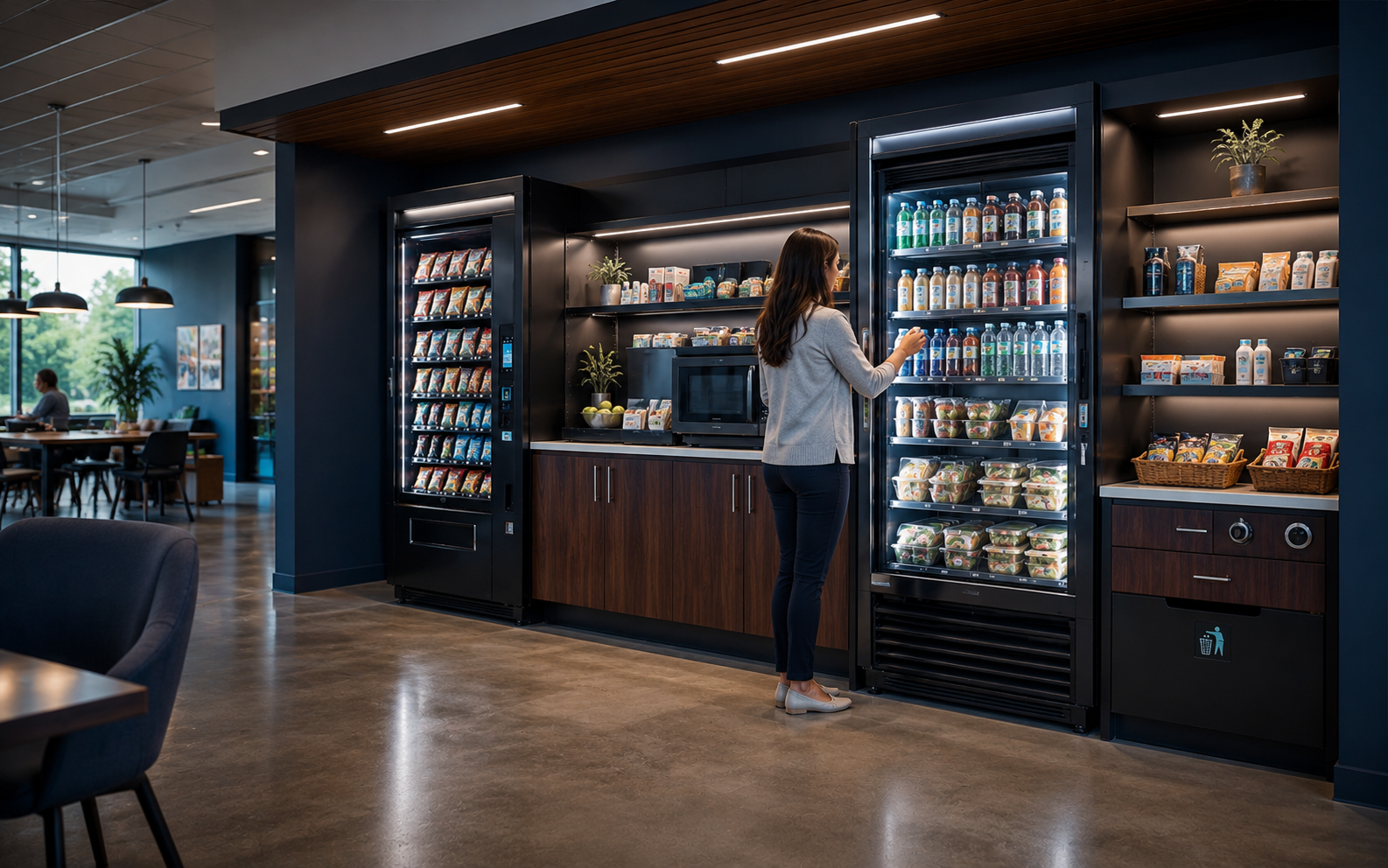
A smart cooler or micro market can offer more variety, but the right choice depends on traffic, space, security, user behavior, payment setup, and service economics.
Confirm fit
Not every location has enough traffic, demand, or service access to support a reliable vending program.
Better vending is not always limited to snacks and drinks
Some facilities have recurring needs that traditional vending does not address. Depending on the location, a curated program may include fresh meals, protein and recovery products, personal care essentials, workplace supplies, household convenience items, or selected sports and hospitality products.
The goal is not novelty. The goal is usefulness. Operation Vend Pro considers products outside traditional vending only when they solve a repeated need, fit the environment, and have a realistic chance of repeat sales.
Where this issue shows up locally
This issue shows up throughout Bucks County and Montgomery County, Pennsylvania.
It shows up in apartment communities where a machine has been sitting in the clubhouse for years. It shows up in offices where employees complain about selection, but nobody knows who to call. It shows up in warehouses and facilities where the machine cannot keep up with shift traffic. It shows up in gyms and sports facilities where the product mix does not match members, athletes, parents, or peak training times.
In many of these locations, the vending setup was not necessarily wrong when it was installed. It may simply be outdated now.
Questions to ask before replacing or upgrading your vending program
Before replacing a machine or changing vendors, start with better questions. These questions help move the conversation away from guesswork.
Current setup
- When was the vending machine installed?
- Who chose the original setup?
- Who currently manages the vendor relationship?
- Is there a written agreement?
- Does anyone know what the agreement says?
Usage
- Are people using the machine regularly?
- Which products sell?
- Which products sit?
- Are there repeated complaints?
- Do people trust the machine to have what they need?
Service
- How often is the machine restocked?
- Is it empty too often?
- How quickly are issues resolved?
- Is the vendor easy to reach?
- Is the machine clean and presentable?
Payment
- Does the machine accept cashless payment?
- Does the payment system work reliably?
- Are users avoiding the machine because payment is inconvenient?
Product fit
- Does the selection match the people using the space?
- Does the product mix fit the environment?
- Has the mix been adjusted based on actual use?
- Are there better options for employees, residents, athletes, students, parents, or visitors?
Commission and reporting
- Is commission part of the agreement?
- Should commission be part of the conversation?
- How is commission calculated?
- Does the vendor provide reporting?
- Does the location understand the total value of the amenity beyond commission?
Future path
- Should the machine be refreshed?
- Should it be replaced?
- Should the vendor relationship be reviewed?
- Would a smart cooler or micro market make more sense?
- Is the location still a fit for vending?
Better decision
These questions help clarify whether the best next step is a refresh, provider change, equipment upgrade, smart cooler, micro market, combined format, or no immediate change.
Start with the current program before choosing the solution
If your vending machine has been sitting in place for years without a real review, the next step is not guessing.
It is not automatically a new machine. It is not automatically a vendor change. It is not automatically a micro-market.
Operation Vend Pro reviews the current setup, the people using the location, the service issues, the product fit, the payment expectations, the commercial opportunity, and the facility goals before recommending a path.
From there, the right path may be a vending refresh, a provider change, a cashless upgrade, a smart cooler, a curated micro market, a combined format, or no immediate change.
Common questions about reviewing an existing vending setup
How do I know if my current vending machine should be replaced?
A vending machine may need to be replaced if it is outdated, unreliable, poorly maintained, unable to support modern payment options, or no longer fits the space. But replacement should not be the first assumption. The better first step is to review the current setup, service history, users, product mix, placement, payment options, and vendor relationship.
What if my vending machine is not being used?
Low usage can come from several issues. The machine may be in the wrong location. The products may not fit the audience. The machine may not accept cashless payment. It may be empty too often. Users may have stopped trusting it. Before removing the machine, it is worth understanding why people are not using it.
Should my business or property receive commission from vending?
Commission should be part of a professional vending conversation when the account economics support it. Volume, service needs, equipment requirements, product mix, and traffic all matter. A serious operator should be able to explain whether commission fits the location, how it would work, and how it relates to the overall amenity value.
Can an old vending machine be upgraded instead of replaced?
Sometimes, yes. A vending refresh may include improved product mix, better service cadence, cashless payment upgrades, machine cleaning, placement changes, or clearer vendor communication. In other situations, full replacement or a vendor change may make more sense.
When should a smart cooler or micro market replace vending?
A smart cooler or micro market may make sense when the location needs broader refrigerated access, more product variety, or a stronger retail experience. The right format depends on traffic, security, space, access, user behavior, and service economics, so the site should be evaluated before making that decision.
What should a professional vending company review before recommending a solution?
A professional vending company should review traffic, audience, access, placement, product mix, payment options, restocking cadence, cleanliness, current service issues, and whether the location is better suited for a refresh, replacement, smart cooler, micro market, combined format, or phased approach.
A vending machine should not be ignored just because it has always been there.
If it serves the people in the space, stays stocked, fits the audience, looks clean, accepts modern payments, and is managed by an accountable operator, it can be a useful on-site amenity.
If it has been sitting in the same place for years without review, it may be time to look at it differently.
As a managed retail service inside your facility.